

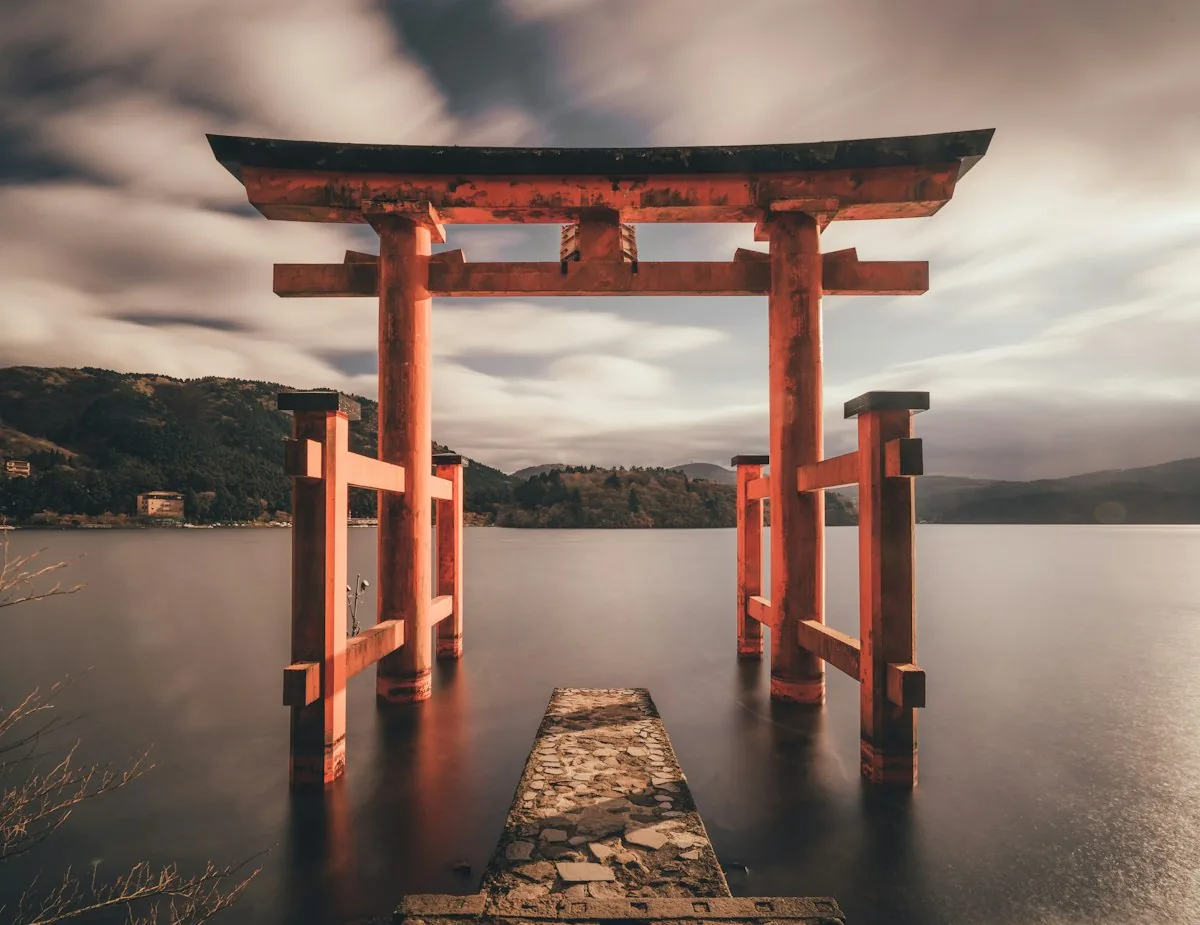
🇯🇵 Japan Public Holidays (Kokumin no Shukujitsu)
- Total Holidays: 16 national public holidays established under the Public Holiday Law of 1948 (国民の祝日に関する法律).
- Happy Monday System: 4 national holidays shifted to Mondays to ensure consistent 3-day weekends for workers.
- Citizen's Holiday (Kokumin no Kyūjitsu): Any working day sandwiched between two statutory public holidays automatically becomes a legal holiday!
- Furikae Kyūjitsu (Substitute Holiday): When a national holiday falls on a Sunday, the following Monday becomes an official paid holiday.
Complete Official Schedule of Japanese Holidays (2026)
| Holiday Name (Romaji / Kanji) | English Translation | Date (2026) | Day of Week |
|---|---|---|---|
| Ganjitsu (元日) | New Year's Day | Jan 1, 2026 | Thursday |
| Seijin no Hi (成人の日) | Coming of Age Day | Jan 12, 2026 | Second Monday in Jan (Happy Monday) |
| Kenkoku Kinen no Hi (建国記念の日) | National Foundation Day | Feb 11, 2026 | Wednesday |
| Tennō Tanjōbi (天皇誕生日) | Emperor's Birthday | Feb 23, 2026 | Monday |
| Shunbun no Hi (春分の日) | Vernal Equinox Day | Mar 20, 2026 | Friday (Astronomical date) |
| Shōwa no Hi (昭和の日) | Showa Day (Golden Week Start) | Apr 29, 2026 | Wednesday |
| Kenpō Kinenbi (憲法記念日) | Constitution Memorial Day | May 3, 2026 | Sunday (Observed Mon, May 4) |
| Midori no Hi (みどりの日) | Greenery Day | May 4, 2026 | Monday |
| Kodomo no Hi (こどもの日) | Children's Day | May 5, 2026 | Tuesday |
| Umi no Hi (海の日) | Marine Day | Jul 20, 2026 | Third Monday in Jul (Happy Monday) |
| Yama no Hi (山の日) | Mountain Day | Aug 11, 2026 | Tuesday |
| Keirō no Hi (敬老の日) | Respect for the Aged Day | Sep 21, 2026 | Third Monday in Sep (Happy Monday) |
| Shūbun no Hi (秋分の日) | Autumnal Equinox Day | Sep 23, 2026 | Wednesday |
| Supōtsu no Hi (スポーツの日) | Sports Day | Oct 12, 2026 | Second Monday in Oct (Happy Monday) |
| Bunka no Hi (文化の日) | Culture Day | Nov 3, 2026 | Tuesday |
| Kinrō Kansha no Hi (勤労感謝の日) | Labor Thanksgiving Day | Nov 23, 2026 | Monday |
Obon and Shōgatsu: Traditional Vacation Seasons
In addition to legal public holidays, Japanese businesses observe two major cultural holiday periods:
- Shōgatsu (New Year): From December 29 to January 3, government offices, financial institutions, and medical clinics close nationwide.
- Obon (Mid-August): While not a statutory public holiday, most major corporations and manufacturing plants shut down for 3 to 5 days around August 13–16 so workers can return to ancestral hometowns.
Statutory Employment Compliance & Mandatory Holiday Pay Standards
Statutory public holidays establish vital legal protections that safeguard employee welfare and ensure adequate rest across commerce and industry. Under national labor standards in Japan, salaried and hourly personnel are entitled to statutory paid leave on officially designated public holidays. When operational necessity requires essential staff—such as healthcare professionals, hospitality personnel, and emergency service workers—to perform duties on a statutory holiday, statutory regulations mandate premium compensation.
Typically, this premium compensation takes the form of holiday penalty rates (often double time or double time and a half) or a designated alternative day off in lieu (often termed substitute paid rest). Human resources departments and payroll managers must maintain rigorous timekeeping records to ensure full compliance with collective bargaining agreements and federal workplace directives, mitigating legal risks associated with statutory leave underpayment.
Weekend In-Lieu Observance & Shift Worker Regulations
A key statutory dynamic occurs when an official public holiday falls on a Saturday or Sunday. In many jurisdictions across Japan, national labor legislation enacts an automatic 'Monday in-lieu' rule. Under this statutory mechanism, when a calendar holiday coincides with an employee's non-working weekend day, the subsequent Monday is observed as a legal public holiday, guaranteeing that workers receive the full economic and wellness benefit of their statutory entitlement.
For non-standard shift workers whose regular rosters encompass weekend duties, entitlement frameworks depend upon whether the statutory holiday falls on an ordinary working day. If an employee routinely works on the day of the week upon which the holiday falls, they are entitled to holiday premium pay. Conversely, if the holiday coincides with their scheduled rostered day off, employment frameworks frequently prescribe the provision of an additional paid leave day or equivalent monetary compensation.
Frequently Asked Questions on Workplace Holiday Entitlements
❓ Are casual or part-time employees entitled to public holiday pay?
Part-time staff receive paid leave if the holiday falls on a day they are normally contracted to work. Casual workers who are called to work on a public holiday are entitled to statutory penalty rates specified in their relevant employment award or enterprise agreement.
❓ Can an employer compel an employee to work on a statutory holiday?
An employer may request an employee to work if the request is reasonable and necessary for continuous business operations. However, an employee holds the statutory right to refuse if the request is unreasonable or if compelling family and personal obligations prevent attendance.