

✈️ Dubrovnik & Split Trip Essentials at a Glance
- Ideal Travel Window: May to June or September to October.
- Recommended Trip Duration: 6 to 8 Days.
- Local Currency & Payments: Local (LOC); cards widely accepted in major centers; carry cash for local street vendors and rural markets.
- Estimated Daily Budget: $90–$190 USD / day (covering comfortable mid-range accommodation, dining, and daily regional transport).
- Primary Experience: Dubrovnik ancient walls, Diocletian’s Palace, Plitvice waterfalls, and Adriatic sailing.
Why Dubrovnik & Split Belongs on Your Travel Bucket List
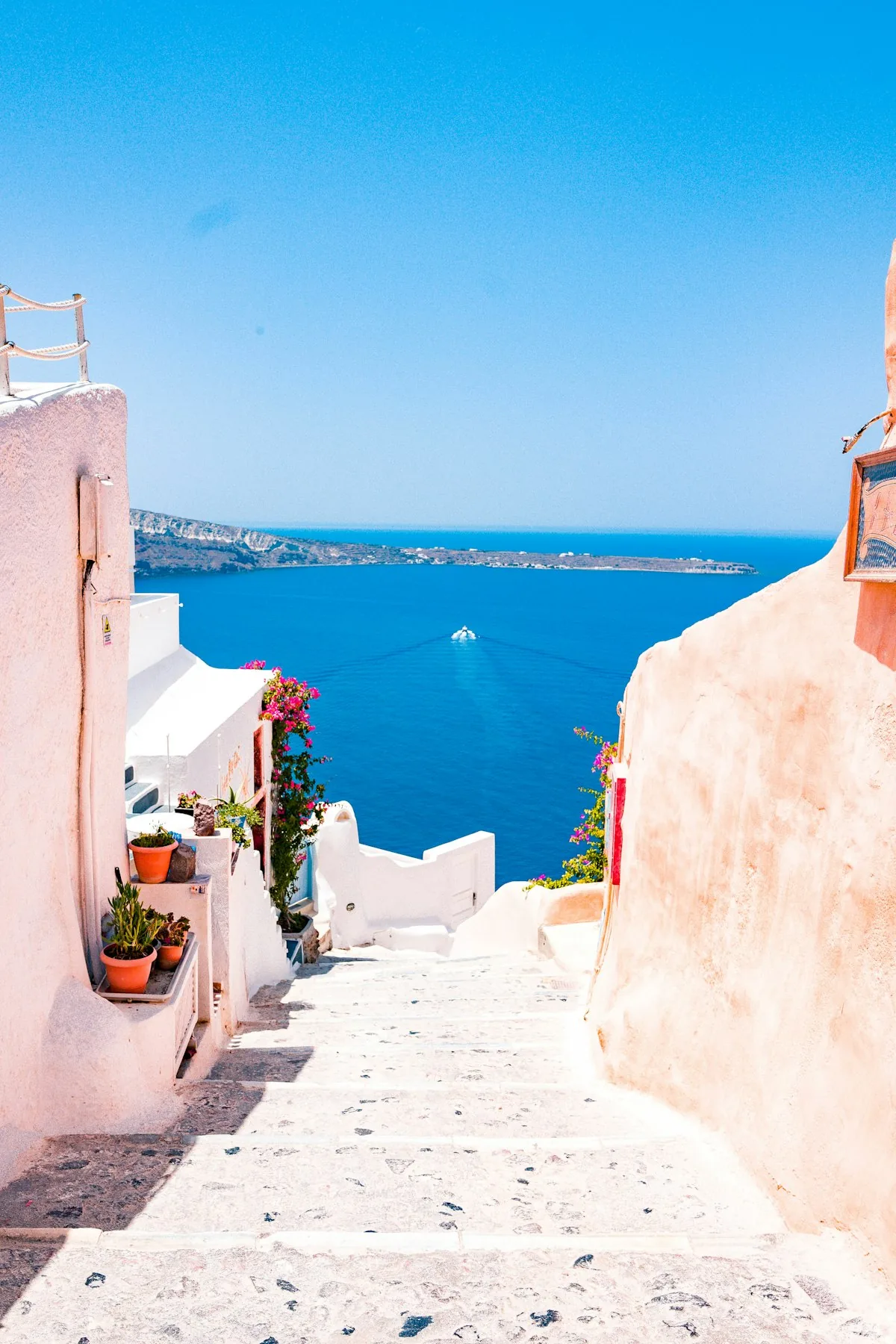
Croatia’s Dalmatian Coast dazzles with ancient white stone ramparts meeting sapphire Adriatic waters.
Walking Dubrovnik’s city walls offers panoramic vistas across terracotta roofs and open sea.
"Exploring Dubrovnik & Split reveals how deep traditions and natural wonders create memories that outlive ordinary travel."
Plitvice Lakes National Park connects sixteen terraced crystal-clear lakes via rushing cascades.
Public Holiday Alignment & Best Time to Visit
Timing your adventure to Dubrovnik & Split requires understanding both weather patterns and regional holiday dynamics in Croatia. Visiting during major national observances like Statehood Day & Summer Festivals offers an electric, joyful atmosphere where city squares come alive with vibrant pageantry, traditional music, and colorful community feasts. However, public holidays in Croatia also mean elevated domestic passenger volume, altered commercial retail trading hours, and premium hotel pricing.
To maximize your vacation days, consider arriving just ahead of a statutory long weekend break. By pairing a Thursday or Friday national holiday with adjacent annual leave, international travelers can immerse themselves in local cultural festivities while enjoying quieter sightseeing hours early in the morning before holiday crowds gather. Always verify local banking and train schedules in advance, as public transport frequently operates on modified Sunday timetables during statutory holiday dates.
Complete 4-Day Curated Travel Itinerary for Dubrovnik & Split
This carefully crafted itinerary balances iconic must-see architectural landmarks with authentic neighborhood discovery, scenic viewpoints, and unforgettable culinary adventures.
📍 Day 1: Arrival, Historic Exploration & Sunset Vistas
Arrive in Dubrovnik & Split, check into your boutique hotel, and embark on an orientation walk through the historic center. Soak in architectural sights, stop at a local cafe, and enjoy an authentic welcome dinner featuring local regional delicacies.
📍 Day 2: Cultural Heritage, Sacred Sites & Artisan Markets
Dedicate the full morning to exploring iconic landmarks and historic monuments in Dubrovnik & Split. Visit prominent cultural museums, stroll through bustling local produce markets, and enjoy a scenic river or harbor boat cruise in the afternoon.
📍 Day 3: Scenic Nature Getaway & Regional Adventures
Take a scenic excursion outside the main city center into the surrounding countryside or coastline. Discover natural waterfalls, hike panoramic mountain trails, or visit historic fortress ruins with breathtaking panoramic vistas.
📍 Day 4: Hidden Neighborhoods, Local Crafts & Farewell Feast
Wander through artisan craft quarters, discover tucked-away neighborhood boutiques, and sample local street foods. Conclude your adventure with a memorable farewell dining experience overlooking the illuminated city skyline.
Culinary Highlights: What to Eat in Dubrovnik & Split
No journey to Croatia is complete without indulging in the rich gastronomic traditions of Dubrovnik & Split. The local food scene reflects centuries of cultural exchange, indigenous ingredients, and passionate artisan preparation:
- Traditional Dubrovnik & Split Specialty: Authentic local dish prepared with farm-fresh regional ingredients and centuries-old culinary traditions.
- Artisanal Baked Bread & Savory Pastries: Freshly baked local breads and savory stuffed pastries served warm from neighborhood bakeries.
- Signature Regional Slow-Cooked Stew: Tender meats and seasonal garden vegetables slow-simmered in rich aromatic herb broths.
- Handcrafted Regional Sweets & Beverages: Delicious local dessert treats accompanied by traditional locally brewed teas, coffees, or craft ciders.
Pro Travel Tip: Seek out bustling food stalls with long lines of local residents—this is always the surest sign of fresh, authentic ingredients and time-honored family recipes.
Practical Traveler Toolkit: Transit, Budgeting & Etiquette
Ensure a smooth, hassle-free journey across Dubrovnik & Split with these essential logistical recommendations:
- Getting Around: Public transport and local rail networks are reliable and cost-effective across Dubrovnik & Split. Consider purchasing a multi-day regional travel pass for unlimited journeys on subways, buses, and scenic ferries.
- Safety & Money Matters: ATMs are prevalent across metropolitan districts, but keeping a modest reserve of physical cash is recommended for regional taxis, small cafes, and tip gratuities. Always inform your home bank before overseas travel to prevent fraud card freezes.
- Local Cultural Etiquette: Greet local residents and shopkeepers with warm, polite respect. Dress modestly when visiting sacred religious sites, and always ask permission before taking close-up portraits of local artisans.
- Connectivity & Communication: Purchase a local eSIM or tourist SIM card at the international arrival terminal for reliable mobile navigation and translation apps.
Frequently Asked Questions (FAQ) About Visiting Dubrovnik & Split
❓ What is the best time of year to visit Dubrovnik & Split?
The ideal travel period is during May to June or September to October, which provides comfortable weather conditions, active cultural events, and pleasant sightseeing temperatures.
❓ How many days are recommended for exploring Dubrovnik & Split?
A trip duration of 6 to 8 Days allows you to experience key architectural monuments, natural day excursions, and local dining without feeling rushed.
❓ Are credit cards widely accepted in Dubrovnik & Split?
Major international credit cards are accepted in hotels, larger restaurants, and supermarkets, but carrying a modest amount of Euro (EUR) is recommended for local markets and small transport fares.