

✈️ Bavaria: Munich & Neuschwanstein Trip Essentials at a Glance
- Ideal Travel Window: May to September (Warm beer gardens) or late September (Oktoberfest) or December (Christmas Markets).
- Recommended Trip Duration: 5 to 7 Days.
- Local Currency & Payments: Local Currency (LOC); cards widely accepted in major centers; carry cash for local street vendors and rural markets.
- Estimated Daily Budget: $110 – $220 USD / day (covering comfortable mid-range accommodation, dining, and daily regional transport).
- Primary Experience: Neuschwanstein fairytale castle, Munich Marienplatz, historic beer halls, Bavarian Alps, and traditional pretzels.
Why Bavaria: Munich & Neuschwanstein Belongs on Your Travel Bucket List
Bavaria (Bayern) is Germany’s heartland of fairytale romanticism, alpine grandeur, and warm Gemütlichkeit (hospitality). From the Gothic spires and leafy beer gardens of Munich to the storybook towers of King Ludwig II’s Neuschwanstein Castle nestled beneath towering alpine peaks, Bavaria fulfills every traveler’s dream of European charm.
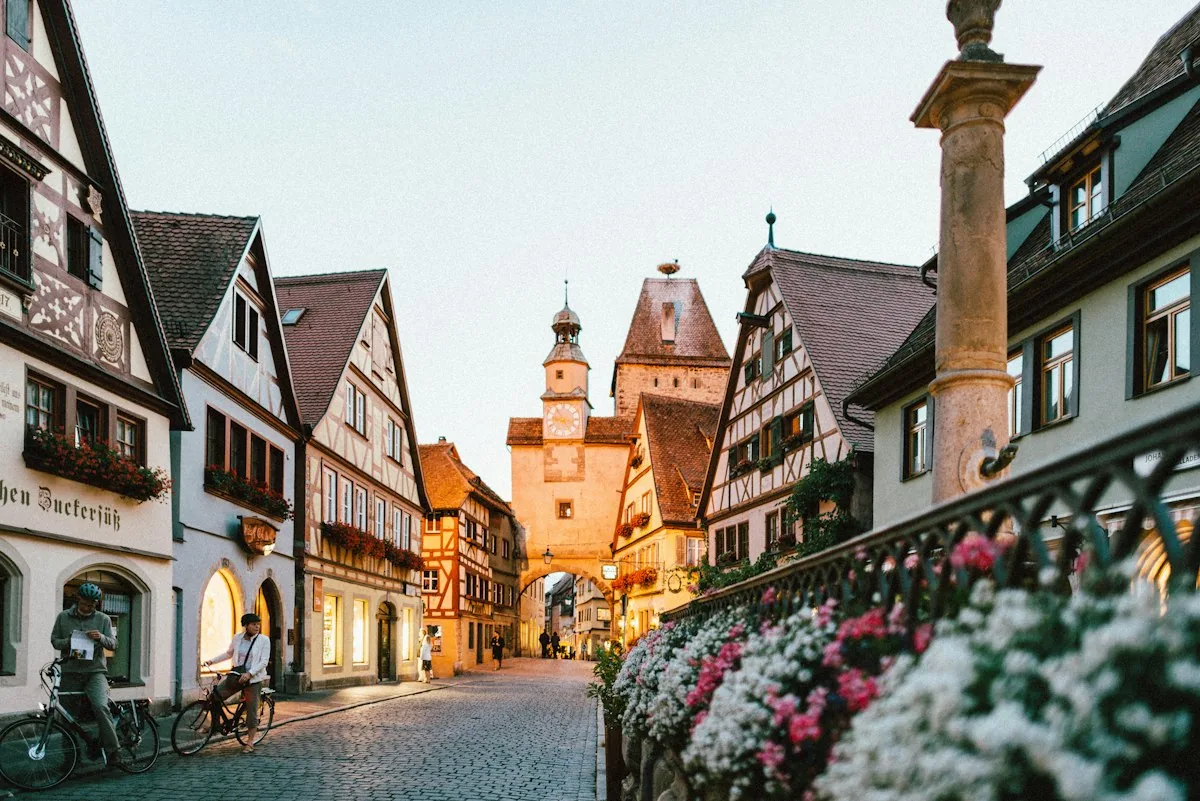
In Munich, life revolves around Marienplatz with its chiming Glockenspiel and centuries-old beer halls like the Hofbräuhaus where brass oompah bands play. A scenic drive into the Bavarian Alps unveils medieval walled towns like Rothenburg ob der Tauber and shimmering glacial lakes like Königssee and Lake Starnberg.
"Neuschwanstein Castle rising through alpine mist looks not like a structure built by mortal hands, but like a fairytale palace whispered into existence."
Bavaria observes more statutory public holidays than any other German state, including Epiphany, Corpus Christi, and All Saints’ Day. Combining these with a Friday Brückentag (bridge day) lets travelers enjoy extended weekends in pristine alpine towns.
Public Holiday Alignment & Best Time to Visit
Timing your adventure to Bavaria: Munich & Neuschwanstein requires understanding both weather patterns and regional holiday dynamics in Germany. Visiting during major national observances like Oktoberfest, May Day (Maibaum) & German Unity Day (Oct 3) offers an electric, joyful atmosphere where city squares come alive with vibrant pageantry, traditional music, and colorful community feasts. However, public holidays in Germany also mean elevated domestic passenger volume, altered commercial retail trading hours, and premium hotel pricing.
To maximize your vacation days, consider arriving just ahead of a statutory long weekend break. By pairing a Thursday or Friday national holiday with adjacent annual leave, international travelers can immerse themselves in local cultural festivities while enjoying quieter sightseeing hours early in the morning before holiday crowds gather. Always verify local banking and train schedules in advance, as public transport frequently operates on modified Sunday timetables during statutory holiday dates.
Complete 4-Day Curated Travel Itinerary for Bavaria: Munich & Neuschwanstein
This carefully crafted itinerary balances iconic must-see architectural landmarks with authentic neighborhood discovery, scenic viewpoints, and unforgettable culinary adventures.
📍 Day 1: Arrival, Historic Exploration & Sunset Vistas
Arrive in Munich. Walk through Marienplatz to watch the famous Glockenspiel clock dance. Savor traditional Weisswurst sausages and pretzels at the historic Viktualienmarkt open-air food market.
📍 Day 2: Cultural Heritage, Sacred Sites & Artisan Markets
Tour the grand Nymphenburg Palace, summer residence of Bavarian monarchs. In the afternoon, cycle through the vast English Garden and watch river surfers riding the standing wave at Eisbachwelle. Conclude with a stein of beer at the Hofbräuhaus.
📍 Day 3: Scenic Nature Getaway & Regional Adventures
Day trip south to Hohenschwangau in the Bavarian Alps (2 hours). Tour the breathtaking Neuschwanstein Castle, inspiration for Disney’s Sleeping Beauty Castle. Walk out onto the Marienbrücke bridge for iconic postcard views of the castle.
📍 Day 4: Hidden Neighborhoods, Local Crafts & Farewell Feast
Visit the romantic medieval town of Rothenburg ob der Tauber along the Romantic Road. Walk the preserved 14th-century ramparts, explore the Christmas Museum, and sample traditional powdered Schneeballen pastries.
Culinary Highlights: What to Eat in Bavaria: Munich & Neuschwanstein
No journey to Germany is complete without indulging in the rich gastronomic traditions of Bavaria: Munich & Neuschwanstein. The local food scene reflects centuries of cultural exchange, indigenous ingredients, and passionate artisan preparation:
- Bavarian Schweinshaxe: Crispy roasted pork knuckle with crackling skin, served with potato dumplings (Knödel) and rich dark beer gravy.
- Weisswurst with Sweet Mustard: Traditional poached veal sausage served in a warm ceramic terrine with sweet Händlmaier mustard and fresh salted pretzels.
- Authentic Bavarian Beer: Freshly tapped Helles lager or cloudy Weissbier brewed according to the 1516 Reinheitsgebot purity law.
- Apfelstrudel & Kaiserschmarrn: Warm apple strudel dusted with powdered sugar, and shredded caramelized fluffy pancakes served with plum compote.
Pro Travel Tip: Seek out bustling food stalls with long lines of local residents—this is always the surest sign of fresh, authentic ingredients and time-honored family recipes.
Practical Traveler Toolkit: Transit, Budgeting & Etiquette
Ensure a smooth, hassle-free journey across Bavaria: Munich & Neuschwanstein with these essential logistical recommendations:
- Getting Around: Purchase the Bayern Ticket (Bavaria Ticket) for unlimited regional train and bus travel for up to 5 people at an exceptionally low price.
- Safety & Money Matters: ATMs are prevalent across metropolitan districts, but keeping a modest reserve of physical cash is recommended for regional taxis, small cafes, and tip gratuities. Always inform your home bank before overseas travel to prevent fraud card freezes.
- Local Cultural Etiquette: When toasting with beer steins ("Prost!"), always make direct eye contact with your companions. In traditional beer gardens, you can bring your own picnic food as long as you purchase drinks from the counter.
- Connectivity & Communication: Purchase a local eSIM or tourist SIM card at the international arrival terminal for reliable mobile navigation and translation apps.
Frequently Asked Questions (FAQ) About Visiting Bavaria: Munich & Neuschwanstein
❓ When does Oktoberfest actually take place in Munich?
Despite its name, Oktoberfest begins in mid-September and runs for 16 to 18 days, concluding on the first Sunday in October.
❓ Are stores open on Sundays in Germany?
Under the German Ladenschlussgesetz (store closing law), almost all retail stores, clothing boutiques, and supermarkets are closed on Sundays and public holidays.
❓ Can you visit Neuschwanstein Castle without an advance tour ticket?
You can view the castle exterior from Marienbrücke, but entering inside requires an official guided tour ticket, which should be reserved online weeks ahead.